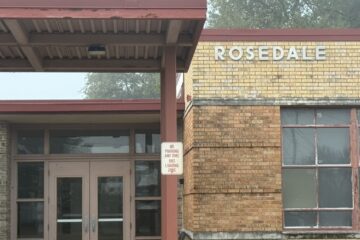
Some claim Rosedale residents are NIMBYs for refusing to roll over when AISD sued more than 100 of us, on the developer’s behalf, to try to make it possible to build an outsized Texas Donut on the original Rosedale Elementary School site. This ill-conceived plan would overwhelm narrow neighborhood streets with traffic and compromise the safety and livability of the neighborhood – all for the sake of corporate profits and another 435 units of luxury housing, which is the last thing Austin needs.
Let’s Set the Record Straight
Rosedale neighbors have a long history of saying “yes in my backyard” by working cooperatively with landowners, developers, and the city to achieve responsible development in and around the Rosedale Neighborhood
1990s: Central Market
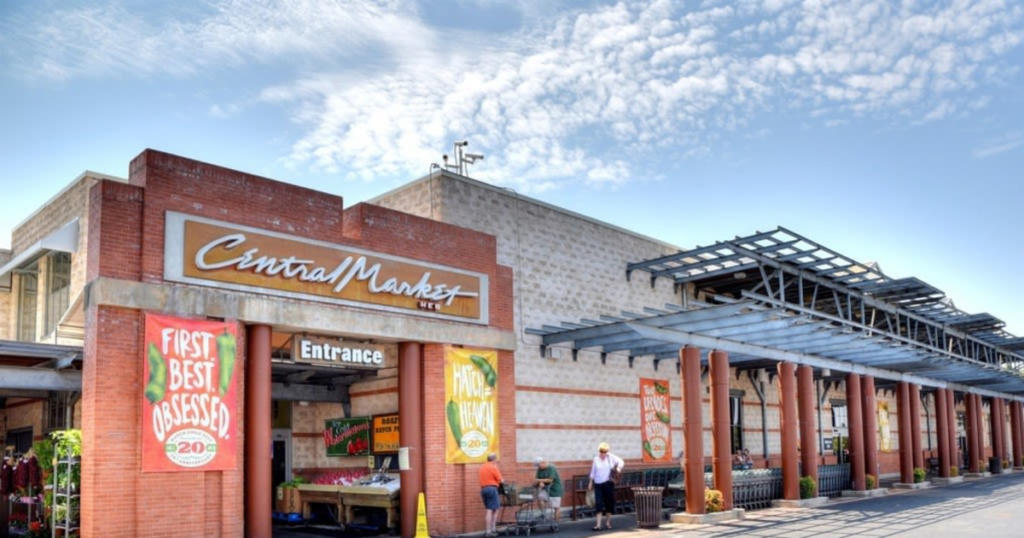
In the early 1990s, Rosedale leader Joyce Brown worked with HEB, C.P. Oles, and Texas MHMR to create the Central Park development, a landmark project that set the standard for all Rosedale negotiations to follow. At a time when other neighborhoods were opposed to the project and threatening boycotts, Joyce saw the potential value of mutually beneficial development of the site. The project soon became a neighborhood landmark and a major enhancement to Rosedale’s livability and walkability.
1990s: Seton Hospital
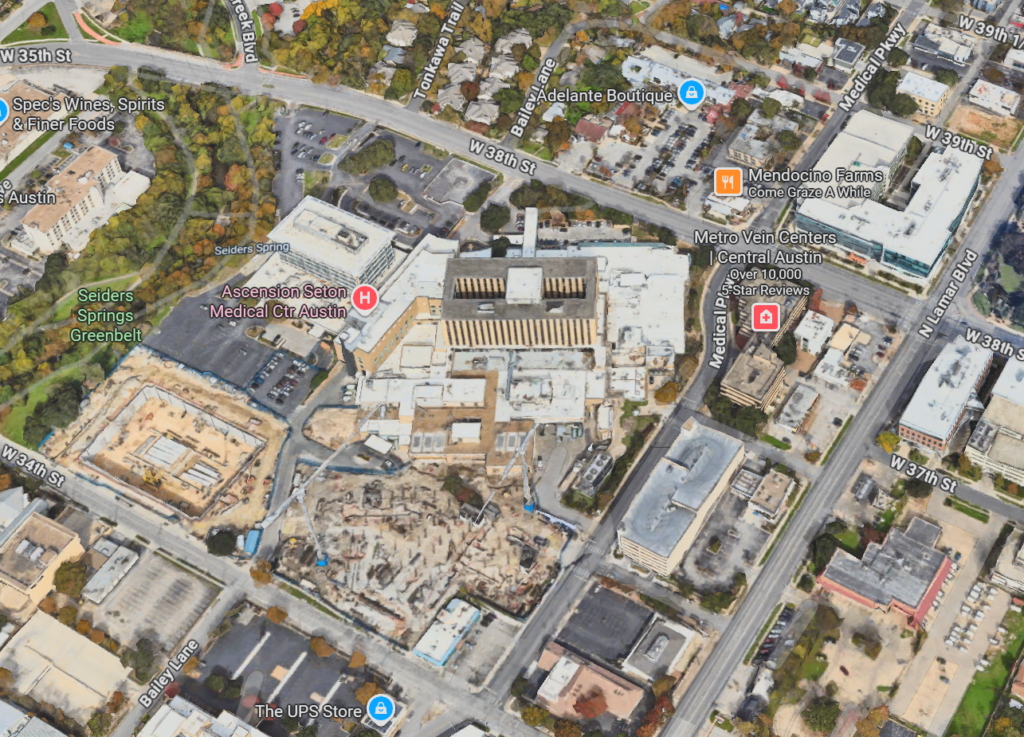
The 1990s saw Rosedale’s Joyce Brown working continually with Seton Hospital to develop and expand the Seton medical complex.
1996-97: The Triangle
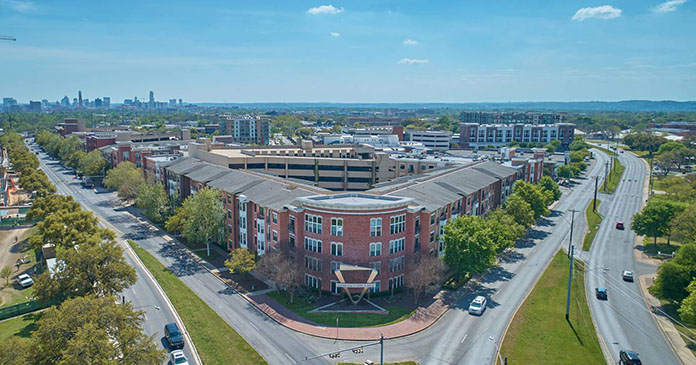
In 1996-1997, Joyce Brown led Rosedale Neighborhood Association representatives working with Cencor Realty and Texas MHMR to develop The Triangle mixed use development. Nearly all of the neighborhoods surrounding the Triangle site were overthrown by a group called Neighbors of Triangle Park (NTP), that was famous for its “Kick (developer) Tom Terkel in the Teeth” web page. NTP wanted no development on the site.
While others fought the project, Rosedale worked to build on the success of the Central Park project, asking for more development on the site. At the first City Council hearing on the case, Rosedale’s Chris Allen and Heritage NA’s Tish Williams were the only two citizens who testified on behalf of the developer, facing abuse from a large and noisy crowd from NTP. As the Triangle project was transformed from a primarily retail project to a mixed-use development, Rosedale kept asking for more on the site because it was an appropriate, responsible use of land that was surrounded by major roadways.
2005-2006: McMansion Task Force
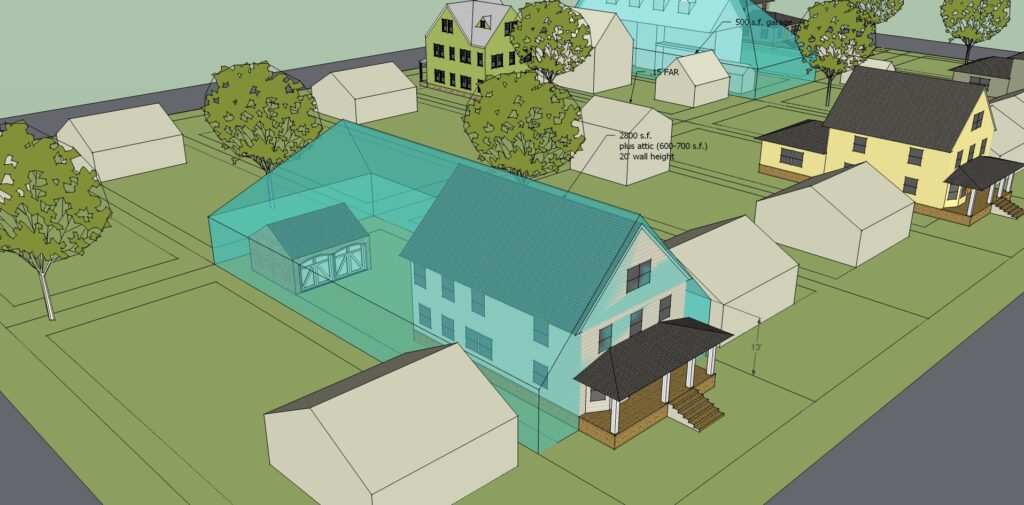
In 2005 and 2006 Rosedale’s Chris Allen served on the City’s McMansion Task Force, working with a 50/50 group of developers and neighborhood activists to create Austin’s first Affordability/Anti-Displacement ordinance. The consensus-building in that six month process was rewarded with unanimous support from City Council in 2006.
2006: Rosedale Village
Around the same time, Rosedale’s Chris and Gina Allen were working with developer Diane Howard on the redevelopment of her properties along Burnet Rd. adjacent to the Rosedale School site. At the suggestion of the Allens, Ms. Howard studied some 2-3 story options for the project, but she eventually developed one-story retail because the site was just too narrow to justify a multi-story development.
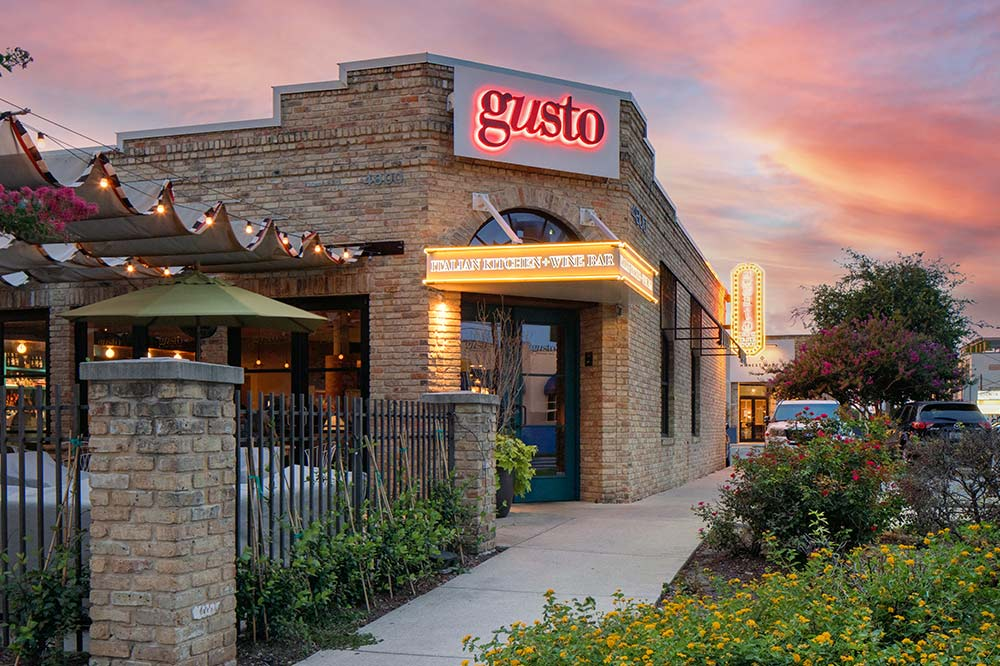
2008: Transit Corridors
In 2008, the Rosedale Neighborhood Association was alone among Austin neighborhoods in endorsing opt-in of every inch of our land along the Transit Corridors for the City’s Vertical Mixed-Use overlay. The record shows that Rosedale actually requested opt-in of more properties than city staff recommended.
2010s: Echo Apartments
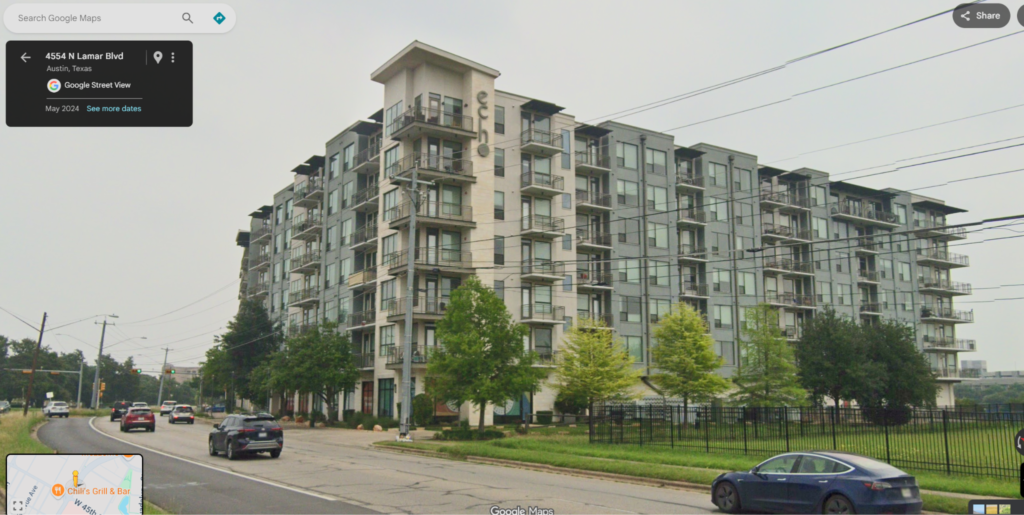
Rosedale endorsed later amendments to the Triangle mixed use development that permitted extra height (90’) for the Echo Apartments on Lamar Blvd.
2010s: Heart Hospital Medical Office Building
In discussions about changes and expansion with the owners of the Heart Hospital Medical Office Building, we shocked the owners by suggesting they build a residential tower on top of their parking garage.
2010s: Lamar Central / Kendra Scott HQ
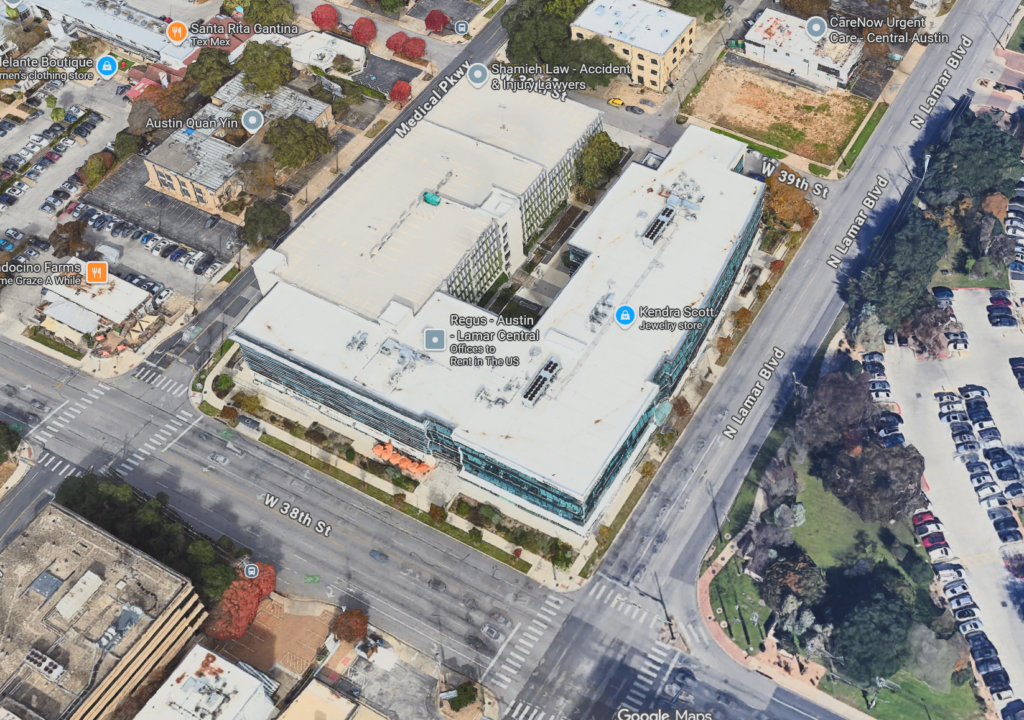
When David Bodenman’s Highland Resources was seeking entitlements (city approvals) for Lamar Central (Kendra Scott HQ) at 38th and Lamar, Rosedale NA similarly stunned the developers not only by endorsing the project’s entitlements as proposed, but suggesting that they build their parking garage with flat floors (for later conversion to other uses) and to build it so it could accommodate many floors of residential units above at a later date. Why? Because dense development is appropriate on a location with the infrastructure to support it.
2015: The Grove
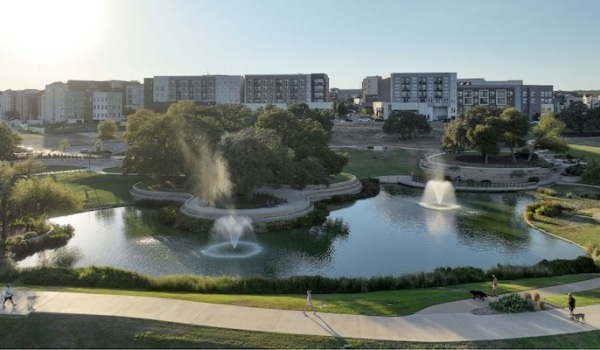
In 2015, the developer of The Grove asked an audience at an early “Input Session” with neighbors how much affordable housing they wanted on the site. From the back of the room, Chris Allen said loud and clear: “ALL of it!”
For the next year, Gina and Chris Allen continued to push for affordable housing, Park space and a pedestrian bridge over Shoal Creek at The Grove. In the end, The Grove certainly wasn’t a “win-win” outcome, but it could have been so much worse, and today the park and the pedestrian bridge are a significant enhancement to the livability of the area.
2015-2021: CodeNEXT
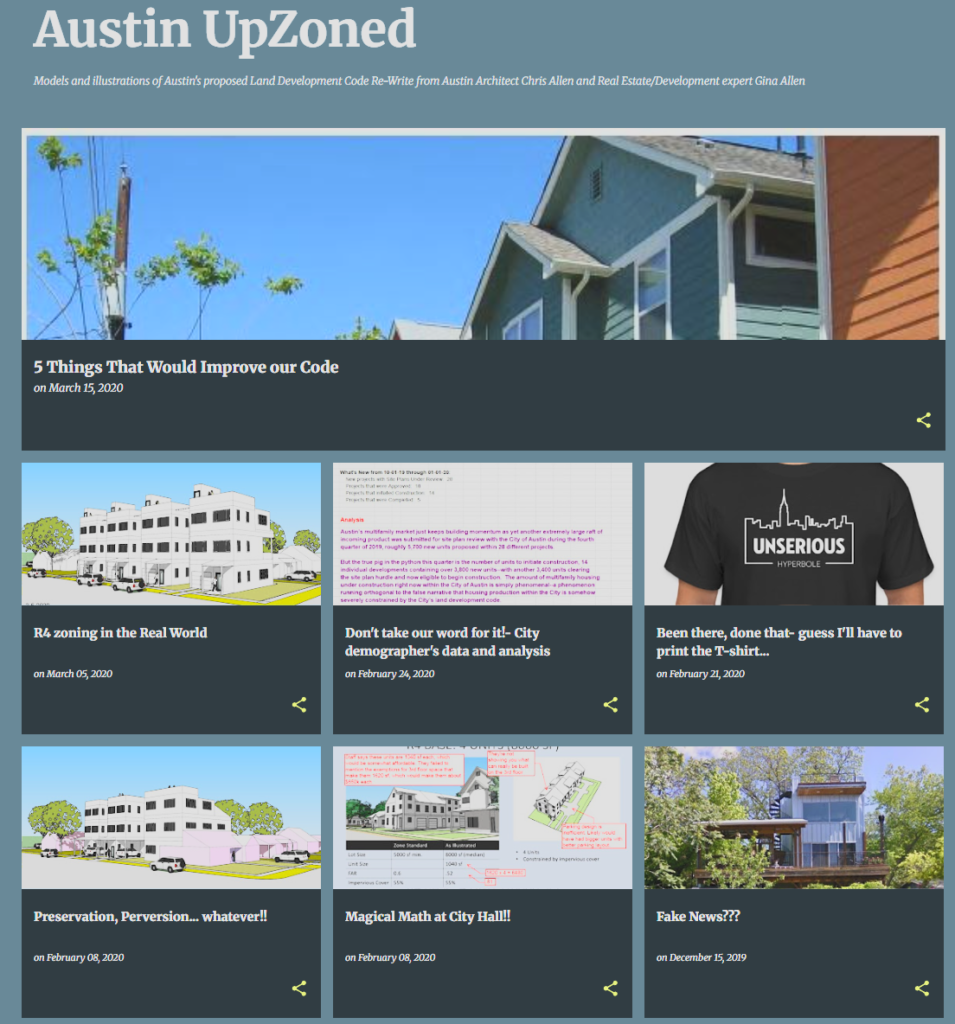
During the six year CodeNEXT period in Austin, Chris Allen served on the City’s Code Advisory Group, then volunteered countless hours of 3D visualization of the proposed code amendments to ensure that code changes that were intended to promote affordability didn’t inadvertently create larger, more expensive housing. Despite the enormous budget for this project, the City of Austin never provided real-world models of their code concepts. Without Rosedale’s efforts to vet the code language, the unintended consequences of CodeNEXT would have exacerbated Austin’s affordability issues and accelerated displacement and gentrification city-wide.
2022-2023: AISD’s Initial Rosedale School Plans
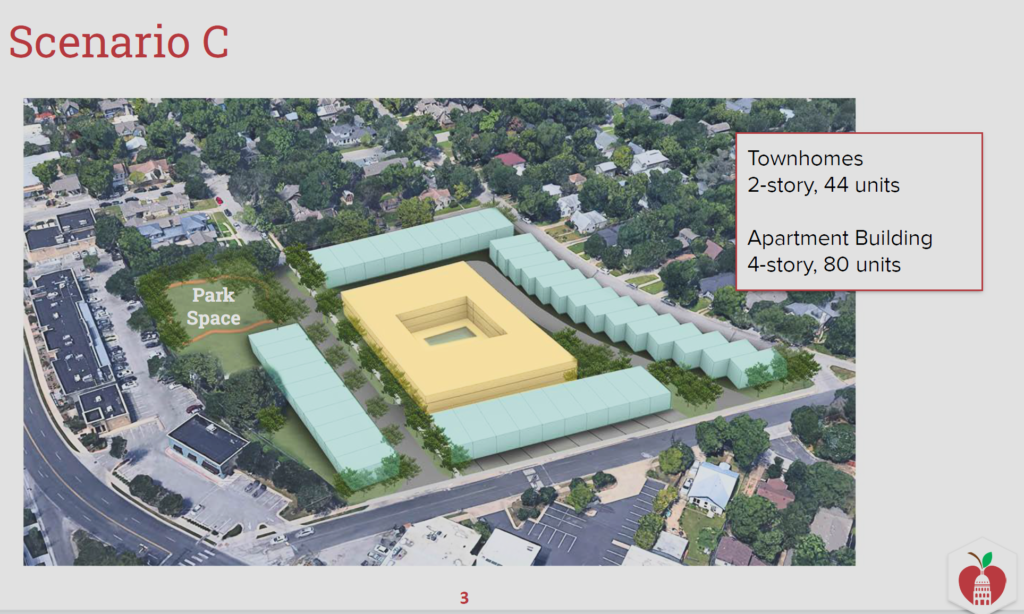
In 2022-2023, Rosedale’s Carl Reynolds continued our tradition of cooperation as AISD considered options for developing affordable housing for teachers on the original Rosedale Elementary School site. His Option C called for 44 two-story townhomes surrounding a four-story, 80 unit apartment building.
This option would have required AISD to get a waiver on deed restrictions that limit use to “a residence” per lot, but it was an option that could have been negotiated. Instead, AISD staff recommended a less dense development. After more than a year of silence, the board of trustees chose confrontation over cooperation by contracting to sell to the highest bidder and suing their own constituents on the developer’s behalf to try to negate the deed limitations.
2024: Saigebrook Affordable Housing
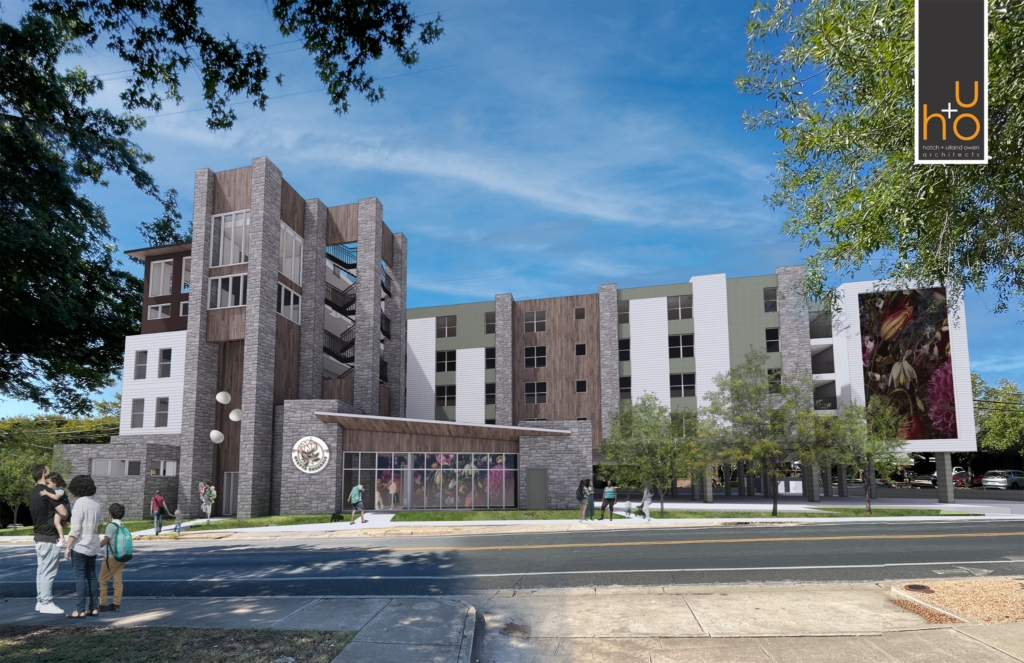
In late 2024, Saigebrook Development came to Rosedale looking to build deeply affordable apartments on Medical Parkway. The Rosedale Neighborhood Association not only voted unanimously to support their zoning request, it sent a letter of endorsement for Saigebrook to use in their federal grant application package. That project is under construction now. It will have 70 units on five floors and will serve residents earning 60% of median family income and below. Clearly, this is a win-win outcome and the type of housing development Austin needs so that working families can live near where they work.
Actions Speak Louder than Words
The actions of Rosedale leaders and residents over the last three-plus decades prove that Rosedale is not an enclave of NIMBYs who want to stop development, exclude new residents of modest means, or oppose increased density.
- We support development that increases affordable housing, and encourages walking, biking and mass transit use.
- We support new construction of commercial, mixed-use or multi-family residential, townhomes, and other projects that benefit property owners, workers, families, and the city as a whole.
- We have a long track record of working cooperatively for reasonable and responsible development.
- We have said “Yes in My Back Yard” when the infrastructure can support it and the safety and livability of the area is preserved or even enhanced.
Our Message to AISD Trustees
It is not a sign of weakness to admit a mistake. It is an act of statesmanship. We urge you to:
- Drop your lawsuit against your own neighbors who are your constituents and long-time supporters.
- Terminate the contract with OHT, one of the largest development companies in America.
- Come back to the table to negotiate a responsible development of the Rosedale School property that is focused on affordable housing, not luxury housing.
It’s time to hit the reset button. To do otherwise is a violation of AISD’s public trust and its legal covenant with its neighbors. Failing to reverse course only assures AISD will see no revenue from the original Rosedale Elementary School property for years to come.

4 Comments
Scott Farnsworth · April 11, 2026 at 8:21 am
Wonderful, well written article. So true. The long list of valuable cooperation with developers, the city, and others represents a ton of hard work and countless late nights. Austin, and indeed each of the projects listed, are better for the effort. For the city to say “All true, but we screwed up our budgeting so now we’re forced to screw you, our friends in Rosedale,” is scandalous and inexcusable. Thankfully it’s not too late.
Laura Alley · April 11, 2026 at 1:36 pm
Wow!
Excellent … hope this is shared far and wide, please send to Aura Leadership, City Council, AISD, Zoning so they can understand the truth … that we want the same things for Austin
they do.
Scott Lockhart · April 11, 2026 at 2:50 pm
Thank you
Scott Lockhart · April 11, 2026 at 2:53 pm
I support you