Build ‘missing middle’ density with a variety of home styles, not a monolith
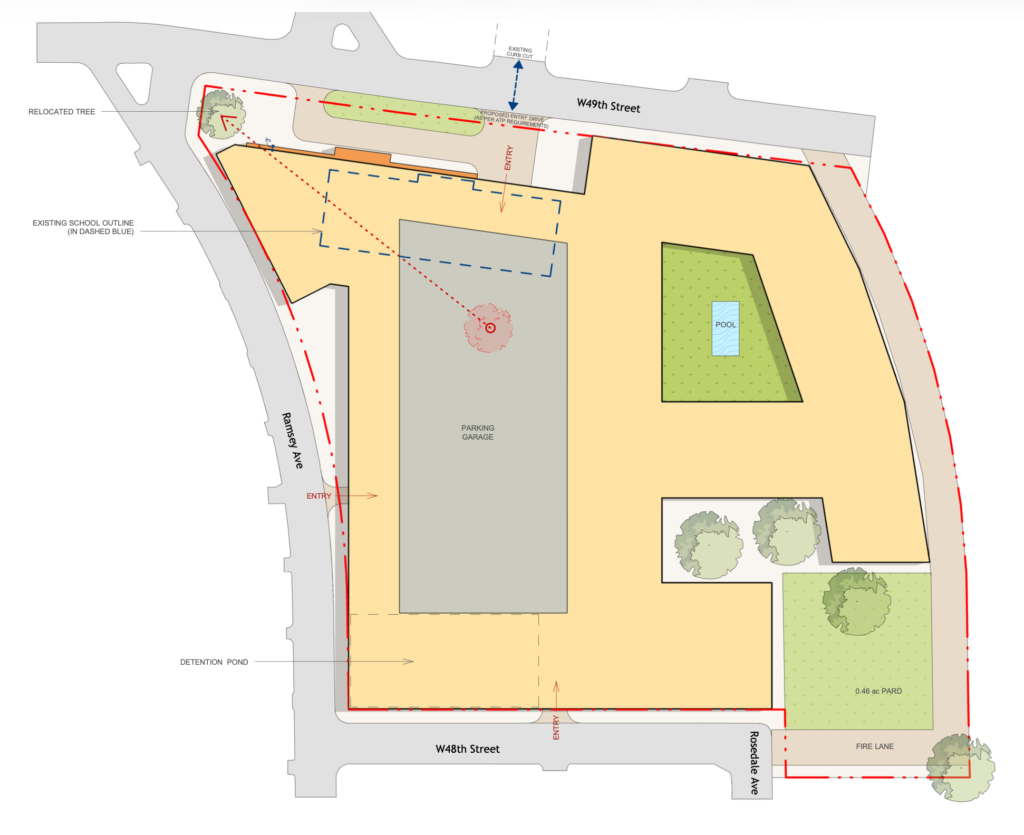
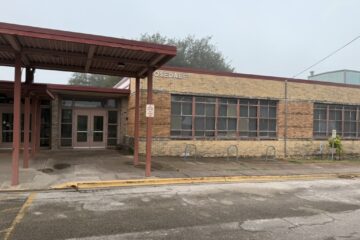
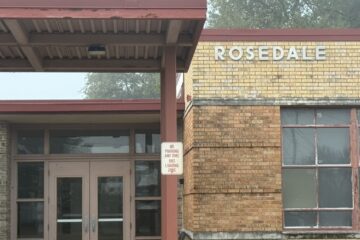
The old Rosedale School site is a community resource that presents an opportunity—not merely to build housing, but to strengthen and diversify a living neighborhood. While current attention centers on a monolithic 435-unit luxury apartment complex and parking garage tied up in legal conflict, we must ask a deeper question:
What kind of place truly belongs here?
Our starting point should be evolving and building upon what is already great about the neighborhood—the streets, trees, porches, gardens, and homes that form this community—while making it possible for a new and varied group of neighbors to become part of its fabric. We don’t want to preserve the neighborhood in amber. Just the opposite: Our intent is to guide the changes that must and should take place.
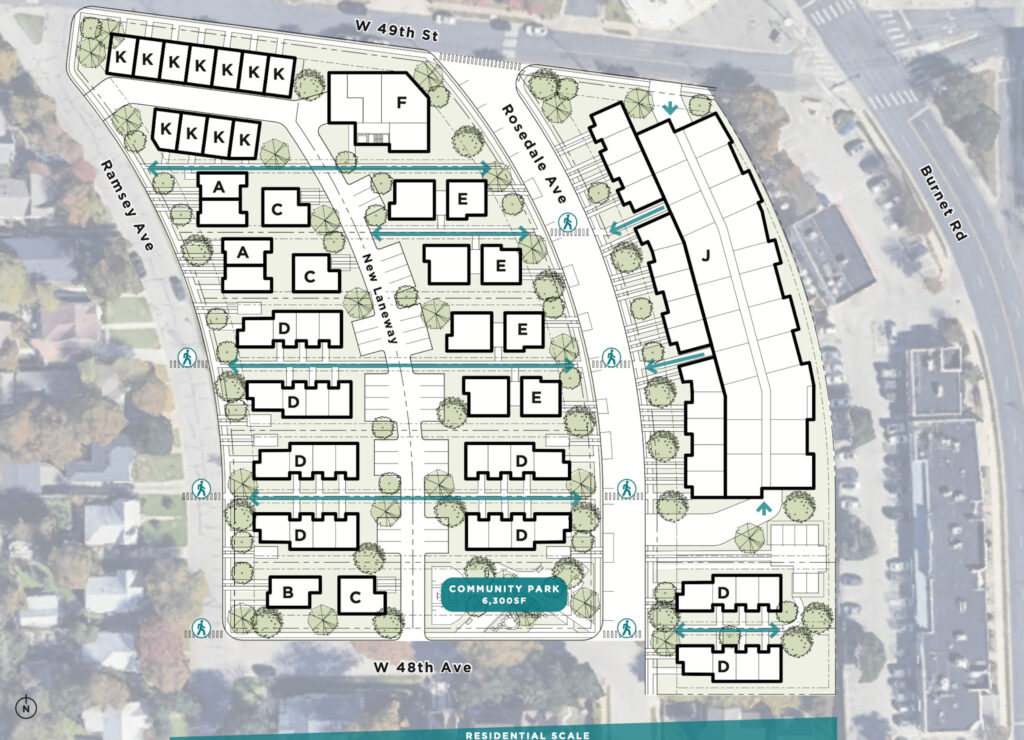
Working with Play Fair with Rosedale and the Rosedale Neighborhood Association, we have developed an alternative that builds on what we have while increasing density. Rather than a single massive structure, we envision a collection of smaller buildings of varying sizes woven together into a coherent whole.
Missing middle
Joining a national trend, the Austin City Council has embraced a policy to encourage “missing middle” housing—creating a greater density of homes by offering multiple dwelling types while fitting comfortably in scale and appearance within the neighboring architectural context. By encouraging this type of development the City Council will overcome the combination of old zoning laws, community resistance, and the economics of the construction industry that have discouraged missing middle housing construction.
This mosaic of “missing middle” housing includes:
- Cottage courts gathered around common gardens
- Townhouses facing shared public spaces and streets
- Walk-up flats and modest buildings
- Accessory dwelling units (ADUs)
- Apartment buildings
Rosedale can provide a model for missing middle homes the city wants to encourage.
On the Rosedale School site, these buildings would graduate in scale, placing the smallest structures closest to existing homes where continuity matters most, while concentrating higher density near the commercial activity of West 49th Street and Burnet Road. Providing between 150 and 225 homes (33 to 49 units per acre), this vision prioritizes the interactive life of a neighborhood over a massive, singular block.
Developer OHT’s proposal
An alternative vision for Rosedale
We advocate an ongoing evolution of the Rosedale neighborhood, building upon the characteristics that make it unique, creating a variety of additional housing types that are affordable and accessible, making it possible for a new and varied group of neighbors to become part of the Rosedale Neighborhood fabric.
Play Fair With Rosedale vision statement
Advantages of the alternative
Community and housing choice: By offering diverse, family-friendly housing types, we allow families to grow, seniors to age in place, economic diversity and a true social fabric to thrive. It easily incorporates affordable housing. OHT’s plan for luxury apartments is not family friendly: Mid-rise and high-rise apartments are the least-popular building types for families with children. Our approach might help keep more families in Austin and help counter declining school enrollment.
Environmental harmony: Smaller, varied buildings arranged in neighborhood block patterns respect the land and align better with existing roads and utilities. They expand the tree canopy, reduce the heat-island effect, and absorb stormwater naturally, addressing concerns about tree destruction and flood risk working with the local ecology rather than disrupting it.
Political and financial achievability: The school district needs resources; the city needs housing; the neighborhood desires growth that respects the qualities that make Rosedale a great place to live. A collaborative, neighborhood-scaled plan can resolve ongoing litigation, unlock funding for the school district sooner, and serve as a potential model for future closed school sites.
We offer a concept; a final plan will have to evolve
This is a beginning concept, not a final plan. There is little value in refining drawings or settling details until the school district, the Austin City Council, and the community resolve to explore a shared vision. What this proposal offers is not a final answer, but a place to begin.
What comes next
Places work best when they are shaped by the people who live in them. The Austin City Council voted in May to temporarily pause its rezoning so we may engage in dialogue. We hope this alternative vision becomes part of that dialogue, giving residents something concrete to consider and, hopefully, rally around. Soon, we will share more details and foster discussion in a neighborhood forum.
We welcome your input. Leave your comments below or via email at PlayFairWithRosedale@gmail.com
The authors:

Michael Alley, AIA, NCARB (ret.) is the founding principal of Alley Poyner Macchietto Architecture, an interdisciplinary architecture, interior design, and urban planning firm with offices in Omaha, Nebraska, Red Oak, Iowa, and Austin, Texas. For more than 46 years, his work has been guided by a simple mission: Put People First. Advance Design. Build Communities.
Michael has helped communities, institutions, and cities create places that strengthen human connection, foster belonging, and contribute to the long-term vitality of neighborhoods. His work spans urban revitalization, educational environments, cultural venues, research facilities, and housing of all scales, including repeated and longstanding collaborations with groups such as Habitat for Humanity.
Through thoughtful planning, collaborative design, and a deep commitment to community stewardship, Michael has played a significant role in shaping projects that enrich both the built environment and the lives of the people who inhabit it. In recognition of his contributions to architecture and community-building, he was awarded the Harry F. Cunningham Gold Medal, the highest honor bestowed by AIA Nebraska. See more about Michael Alley.
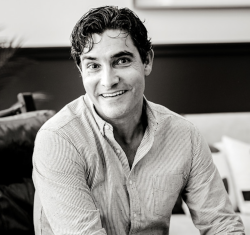
Adam Hootnick is the founder of Housing Growth Partners, an Austin-based firm focused on attainable housing development and modular construction innovation. He is currently assisting the community-driven redevelopment of the Rosedale School site in Austin — a 4.6-acre AISD surplus property — developing a mixed-income, missing-middle housing proposal that has become a model for how school closures can become neighborhood assets.
Adam helped to launch Offsite Modular Construction (OMC), a Texas-based modular manufacturer, and has led significant residential development initiatives across the Midwest, including in Omaha where HGP has delivered modular attainable housing. He serves on the Nebraska Investment Finance Authority’s workforce housing group, shaping state policy on modular adoption. Adam holds degrees from Harvard College and Harvard Law School. See more about Adam Hootnick
1 Comment
susie smoler · June 21, 2026 at 2:07 pm
Bravo!! Michael and Adam have a vision that would benefit Austin and move it forward with care and purpose that would enhance lives of people.